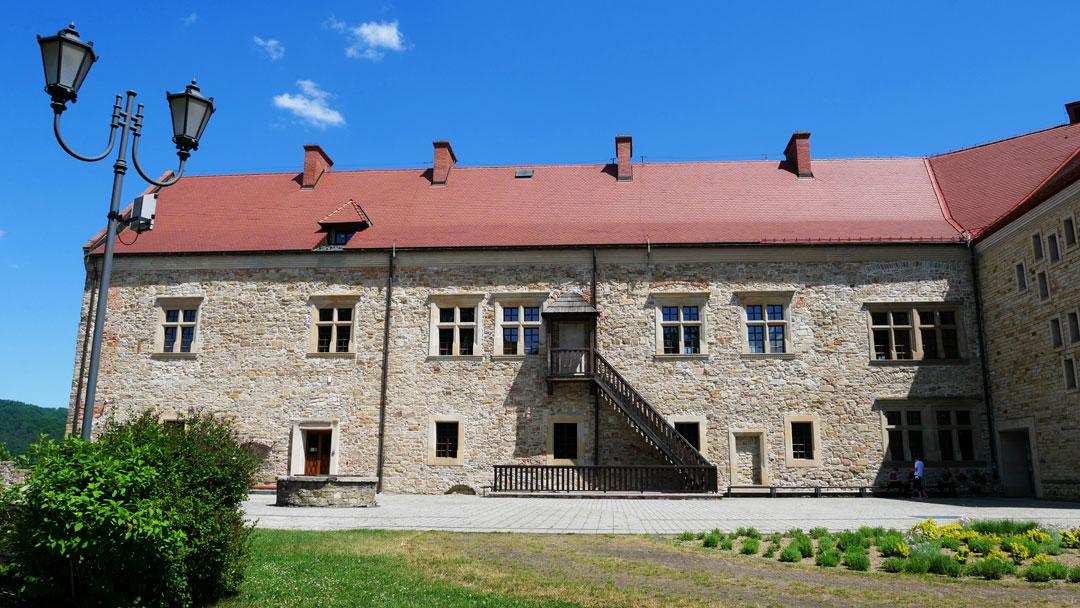
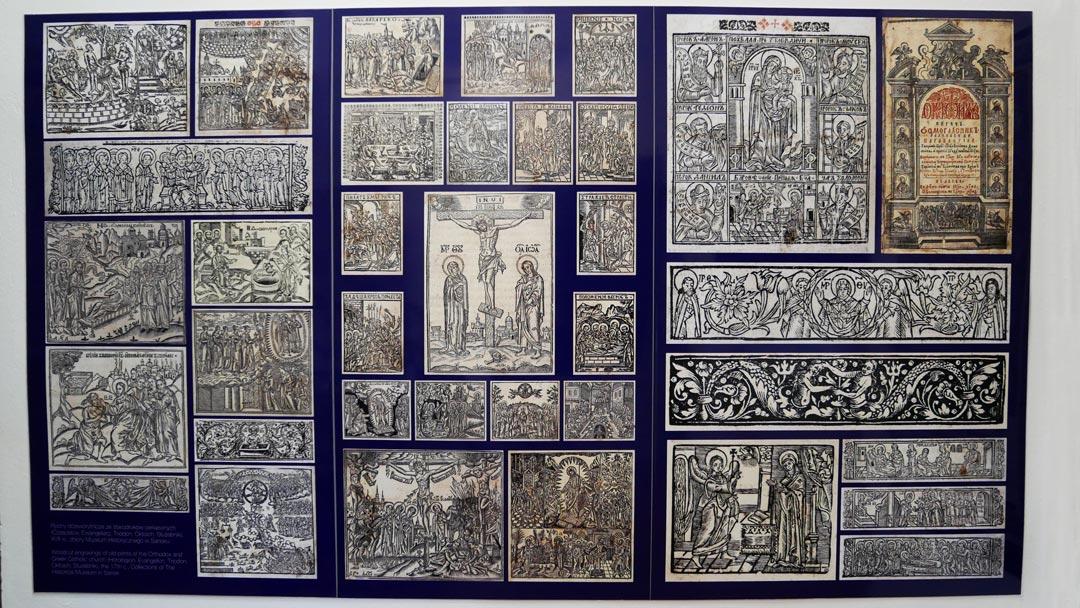
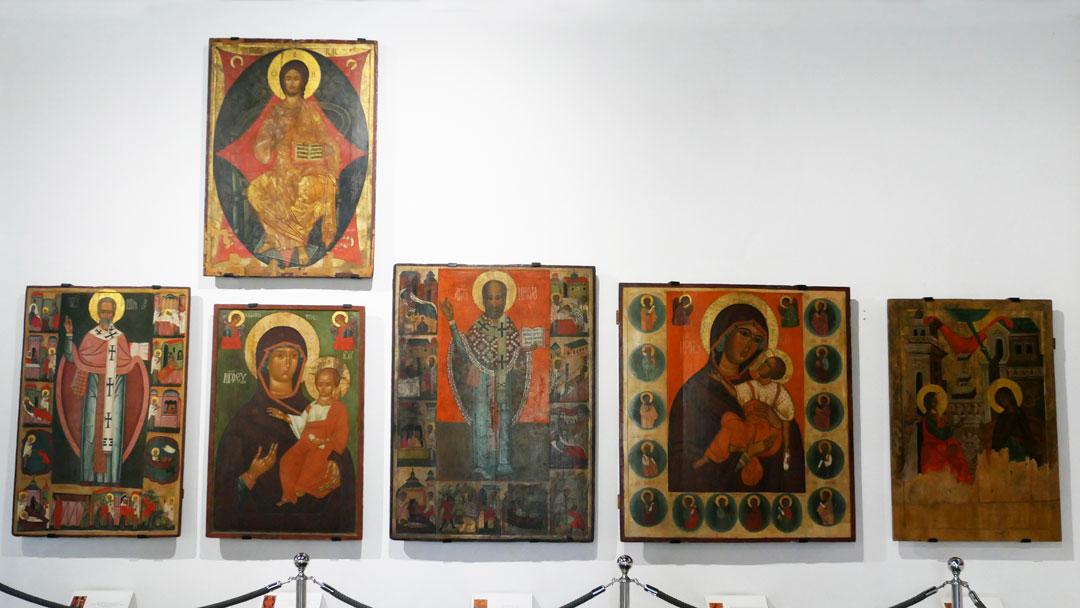
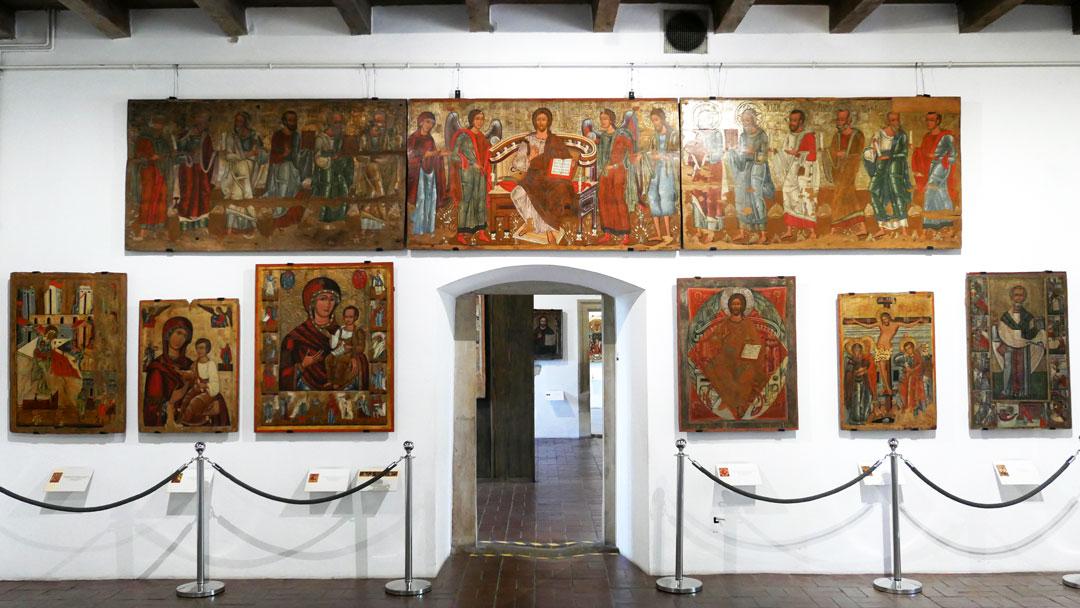
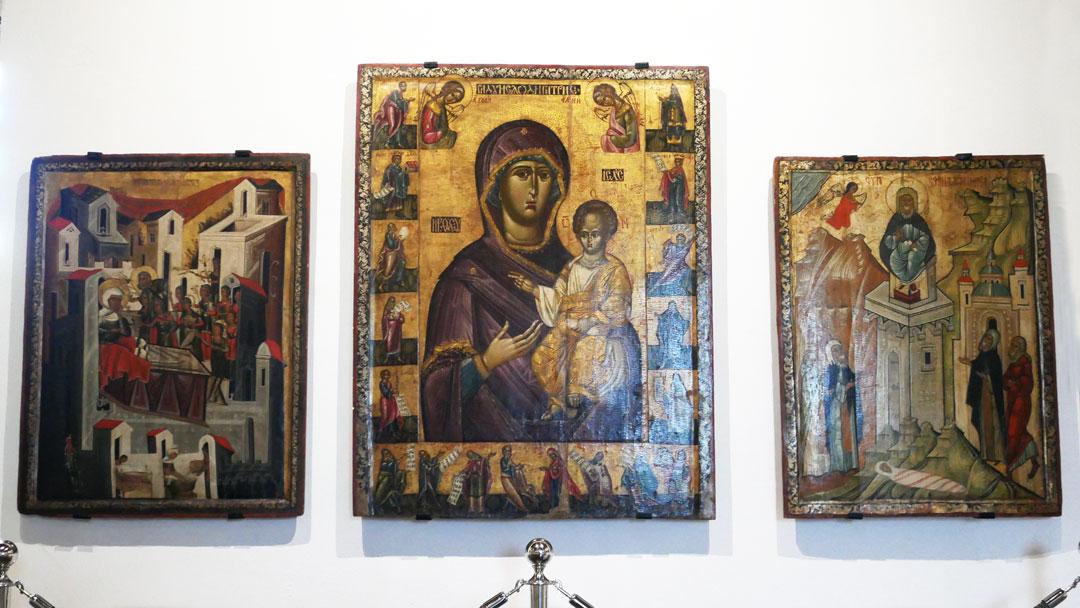
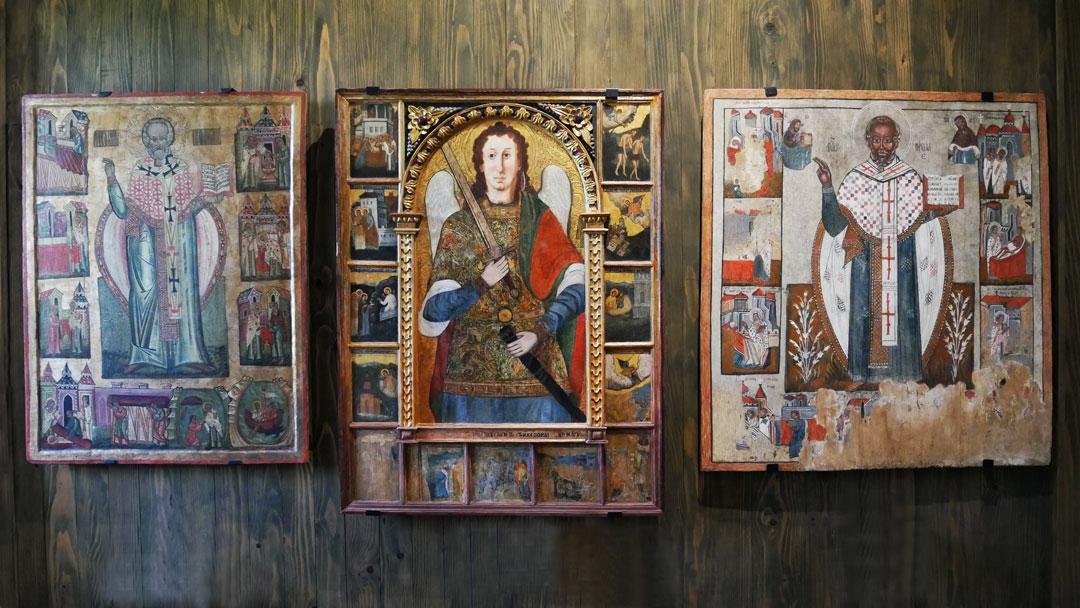
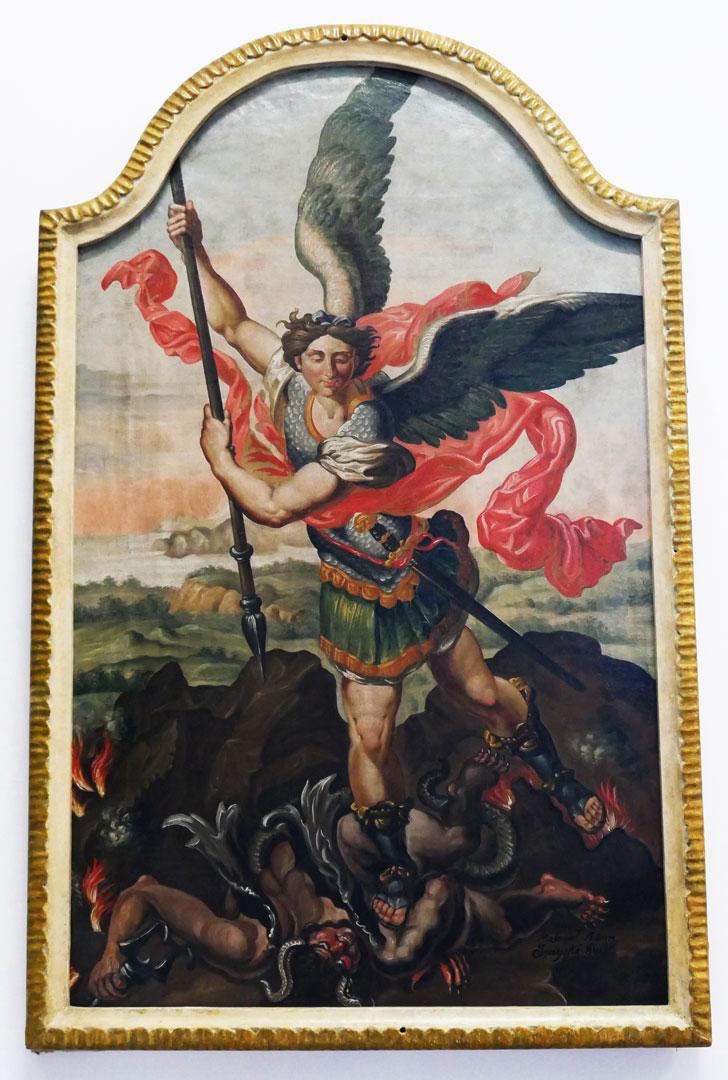
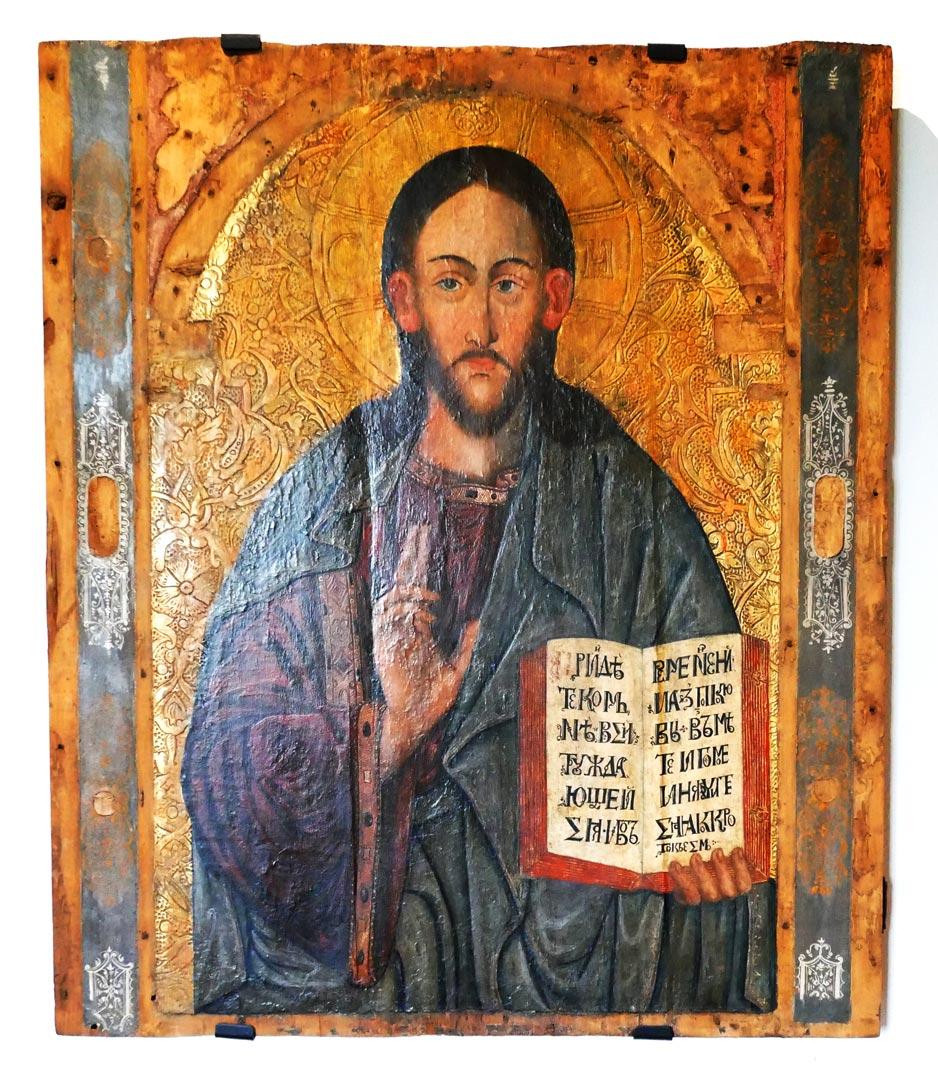
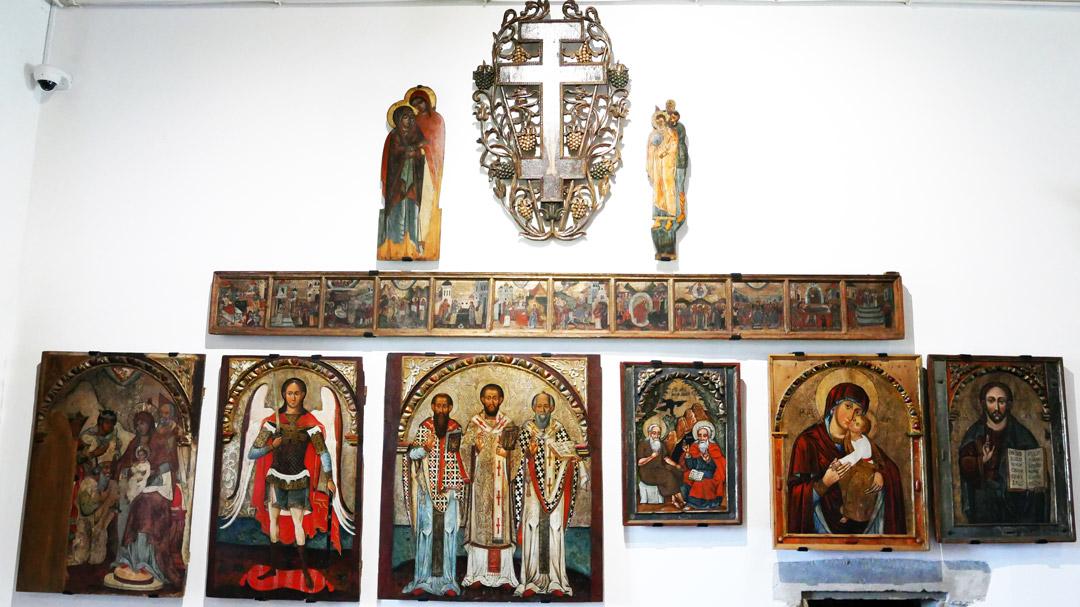
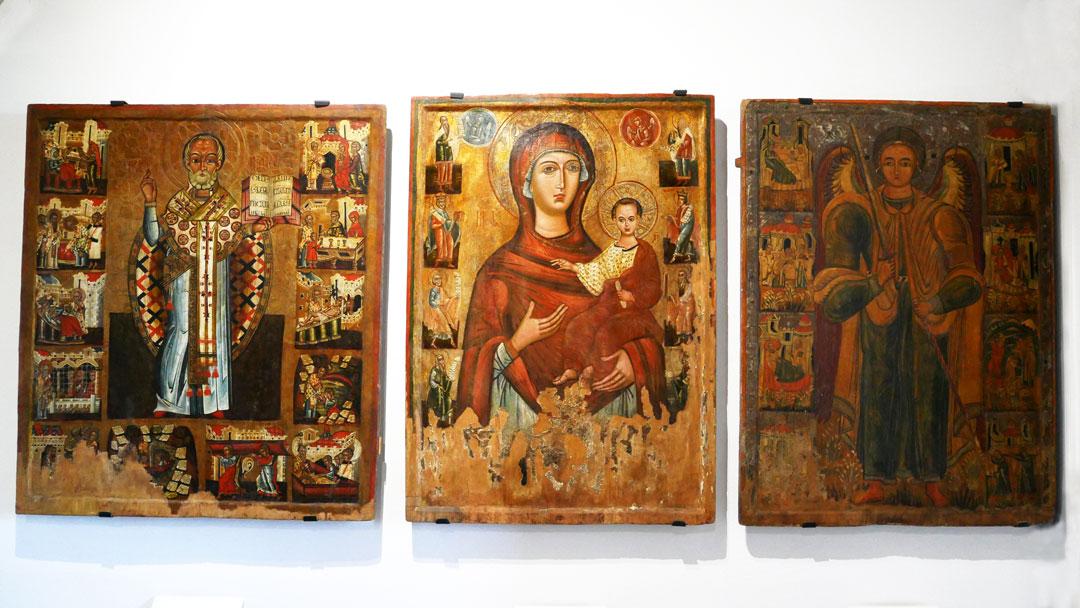
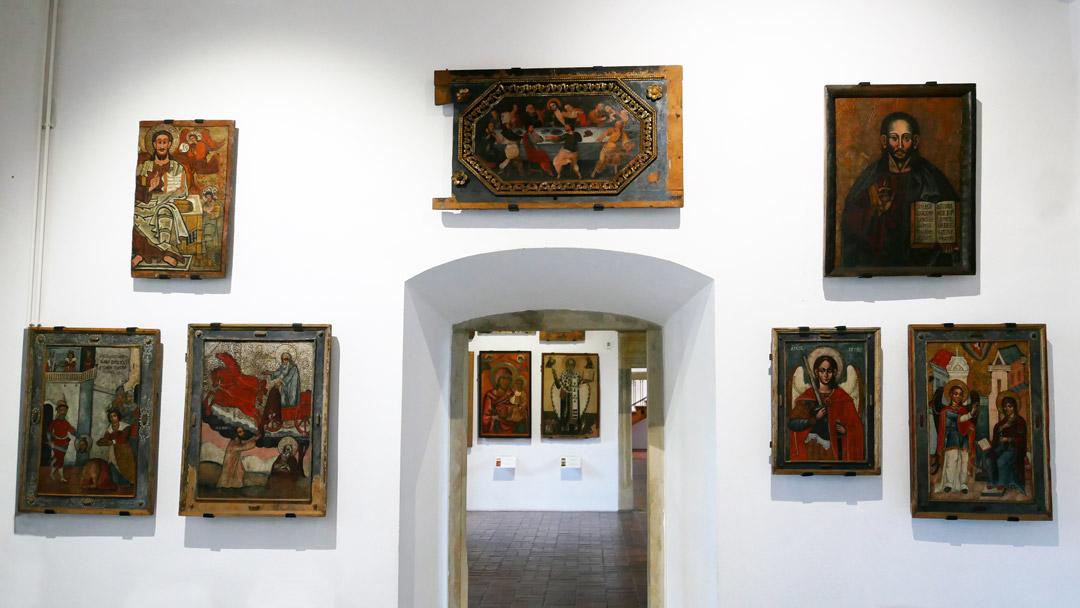
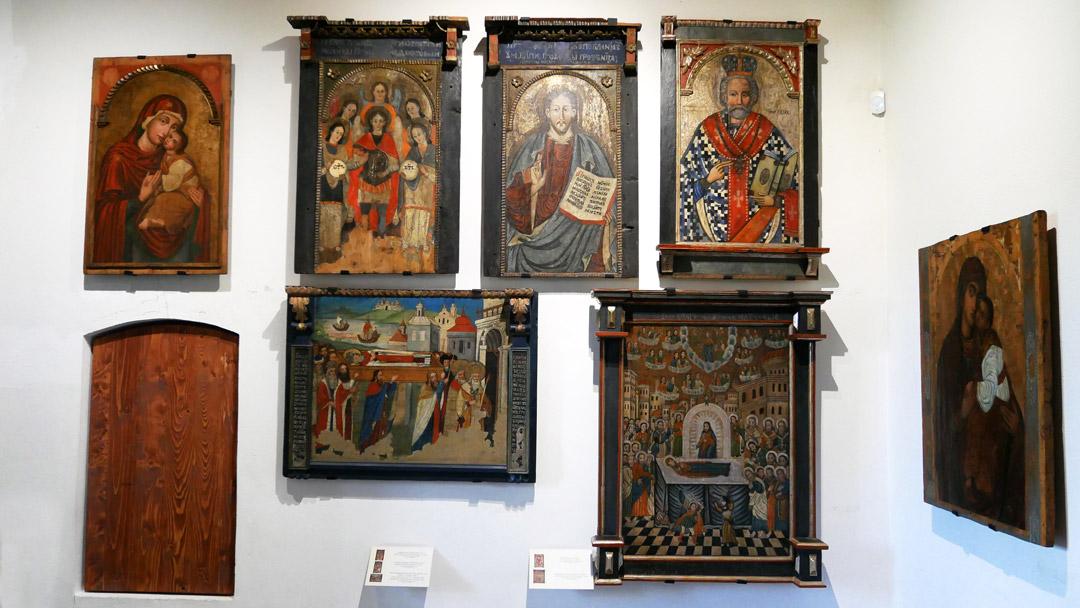
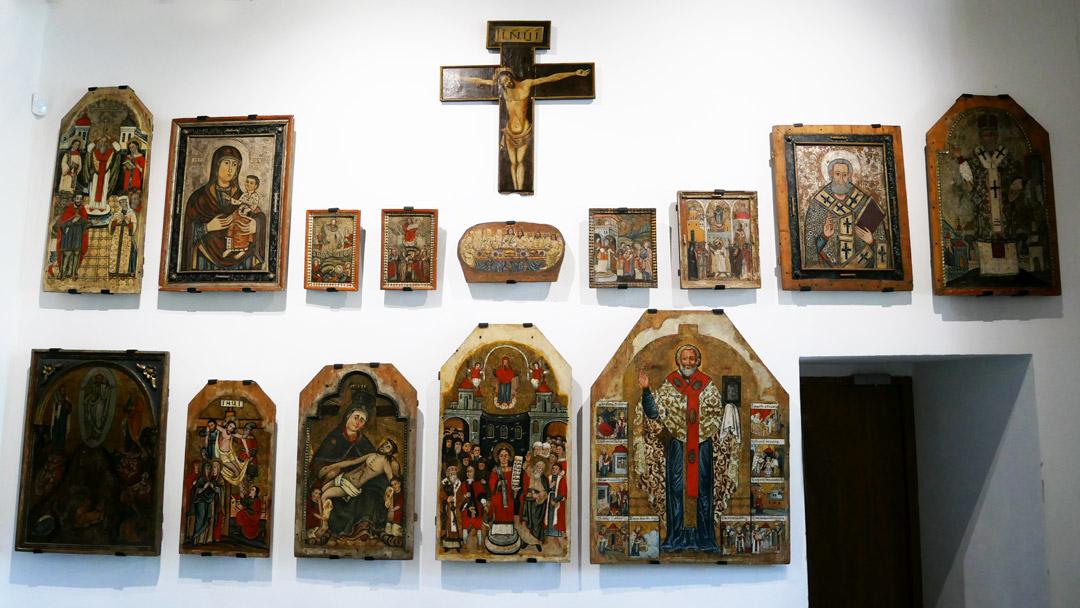
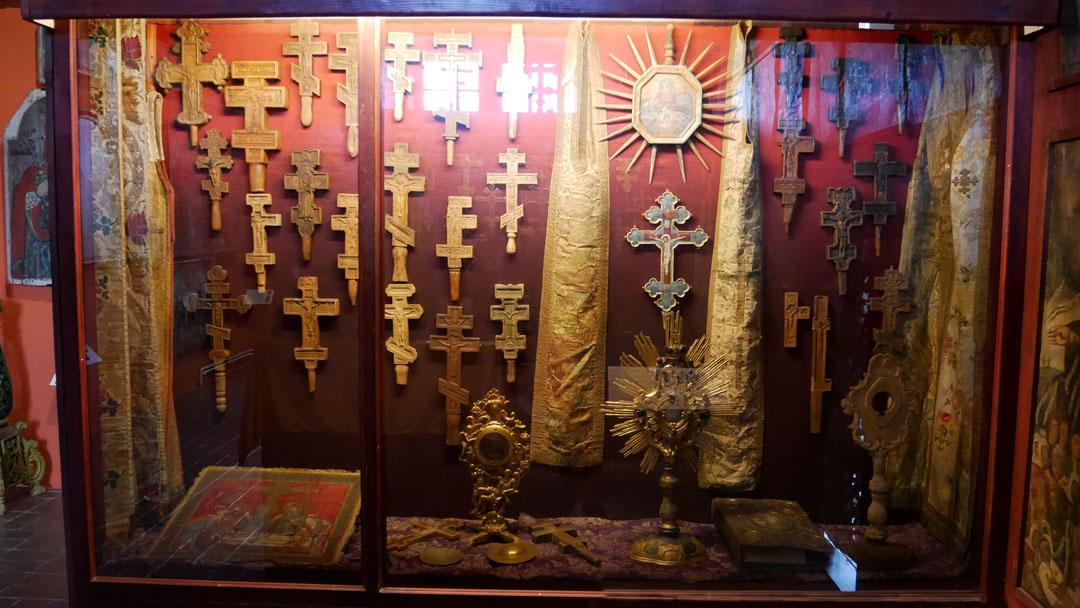
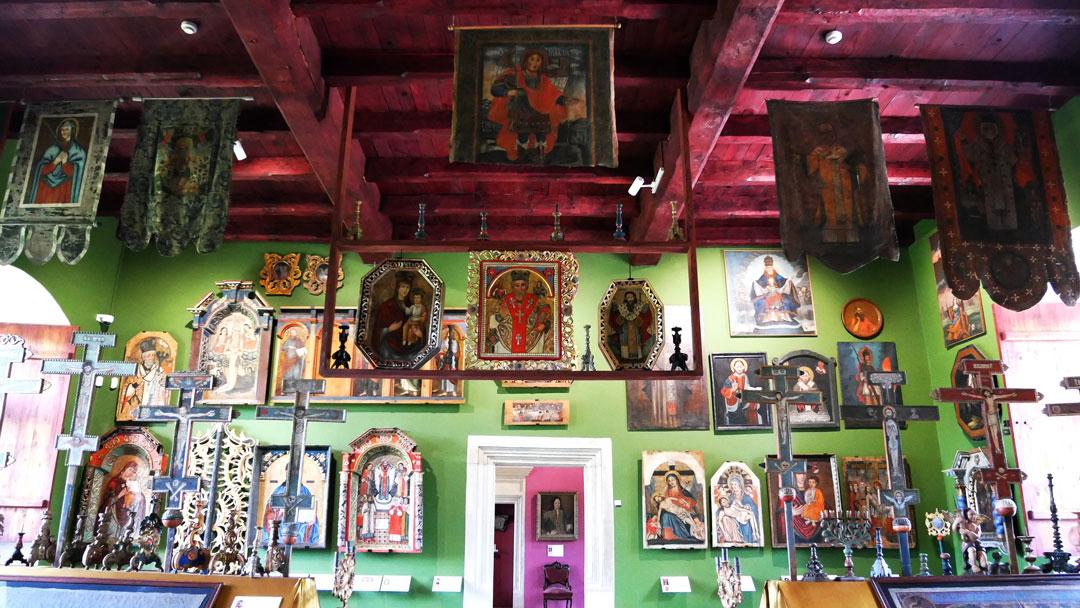
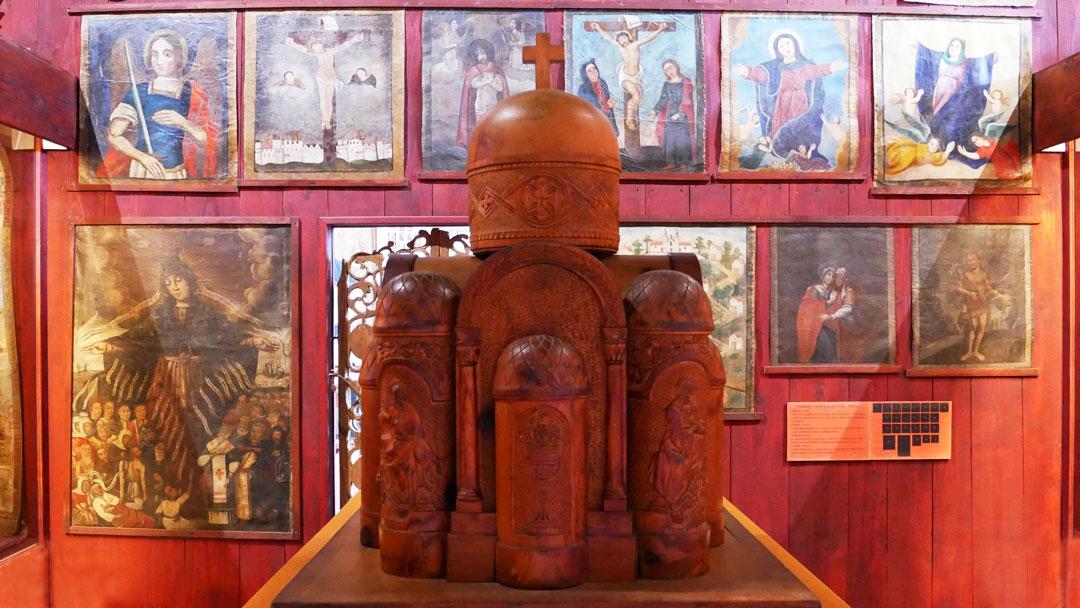
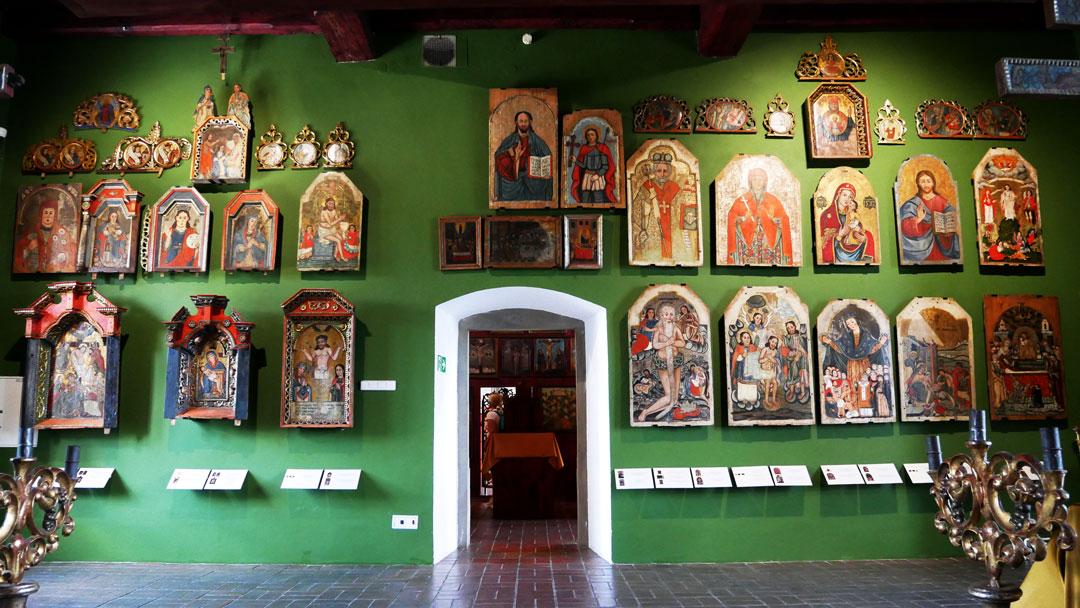
I visited at the beginning of my trip the Royal Museum in Sanok having three main expositions, the meaning, history, interpretation of which mixed with each other and in themselves three concepts, spheres, levels that determine the DIMENSION of man. Thus Hell, Purgatory and Heaven. In other words, the three gates of APOCALYPSE.
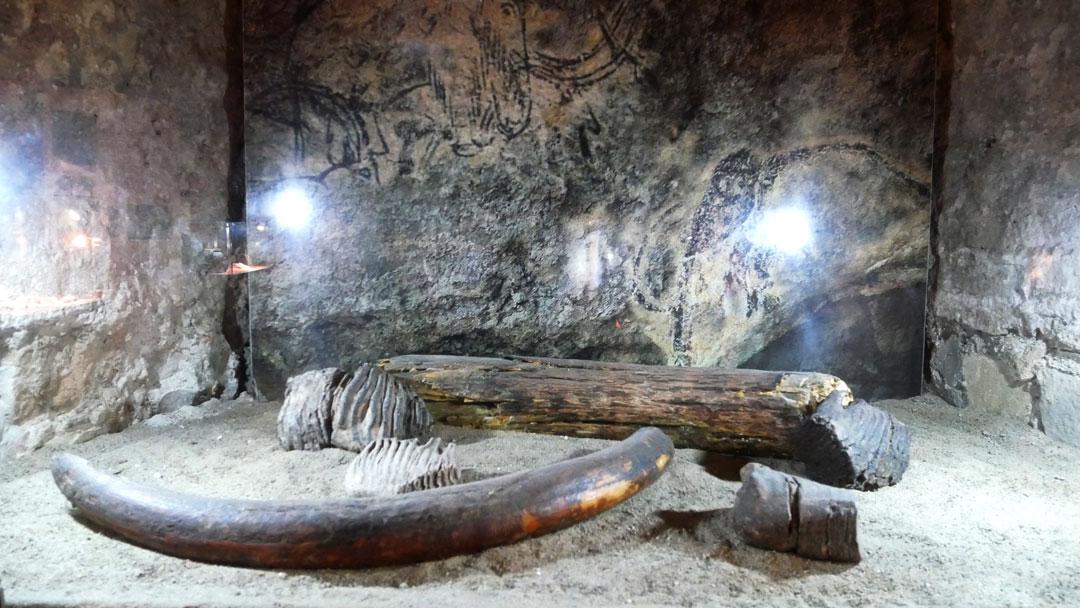
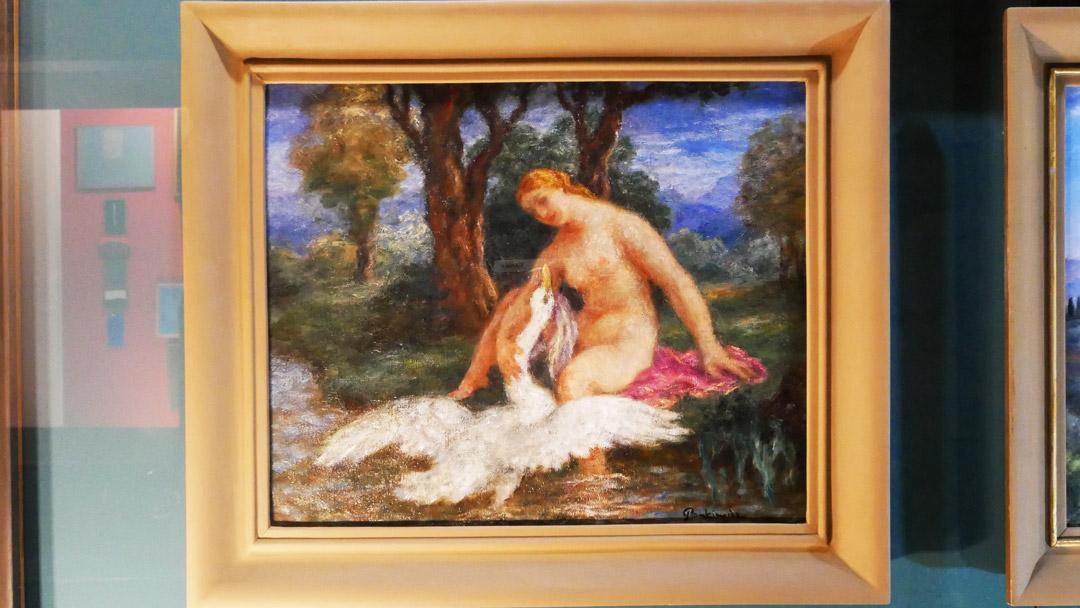
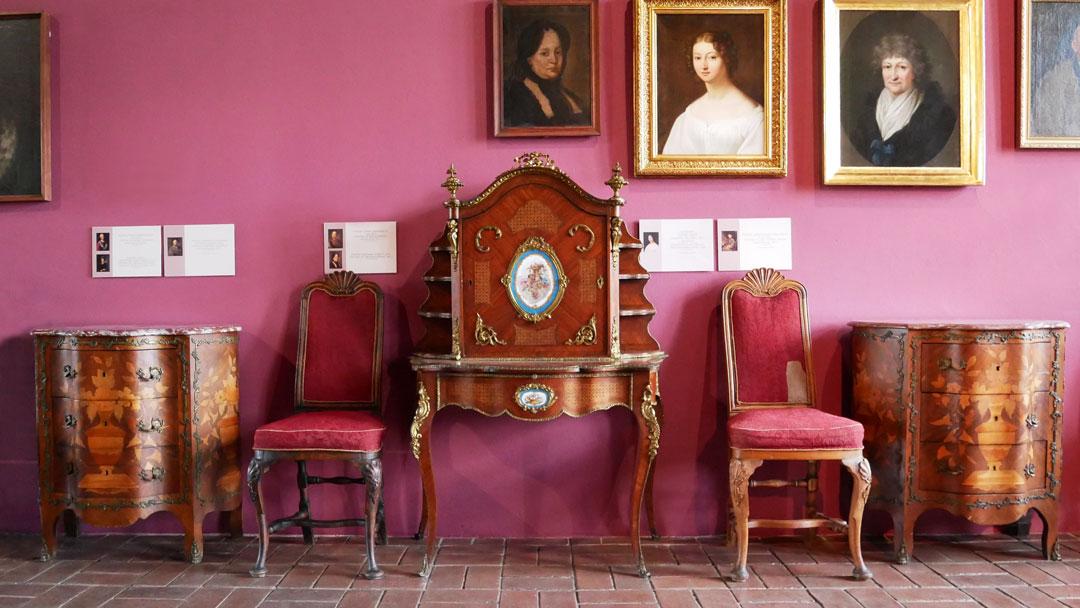
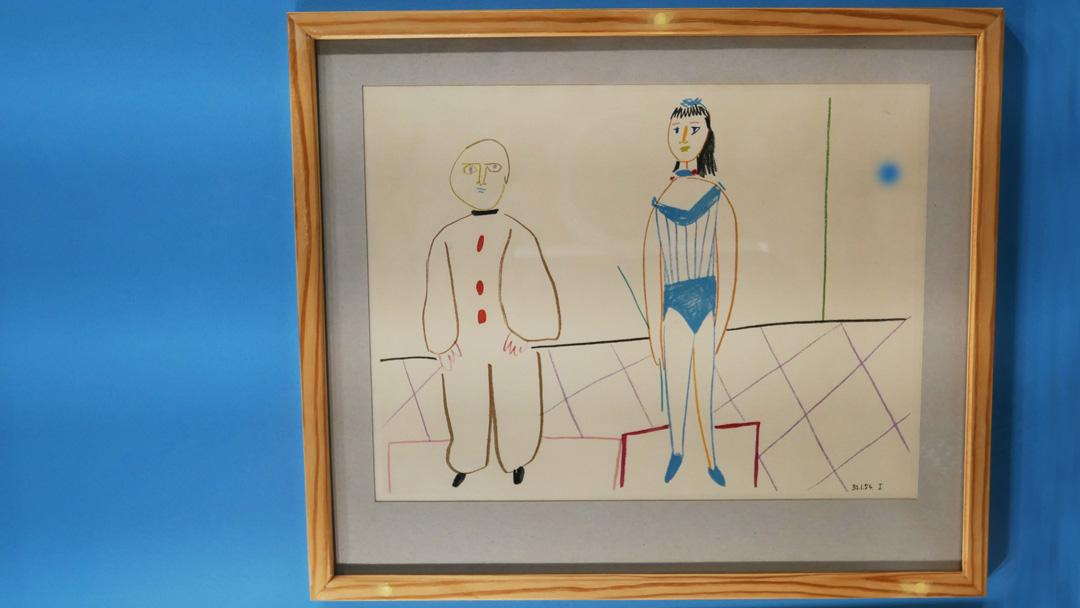
On the first floor there was an exhibition of the millennium’sPolish military cross-section which somehow, except for the original BUNKER, didn’t excite me, let’s say. Being raised in Bialystok, I had scored countless trips to the ‘representative’ Museum of the Polish Army on KILLiński Street and knew all the exhibits ‘by heart’. So before I entered the floors of the shuffled HELL AND HEAVEN, I had a private look from the collection of miscellaneous art. I happened to run into a group of cheerful elderly ladies with a ‘guardian’ in this darkened purgatory, not necessarily pleased with the experience they were having, not shying away from commenting it was some ‘gray storm and gloom’ this art. We agreed together to a couple of different, colorful examples, including some of the prehistoric one from the mammoth remains fished out in the San river.
APOCALYPSE *WISŁA *Vistula - Polish main river
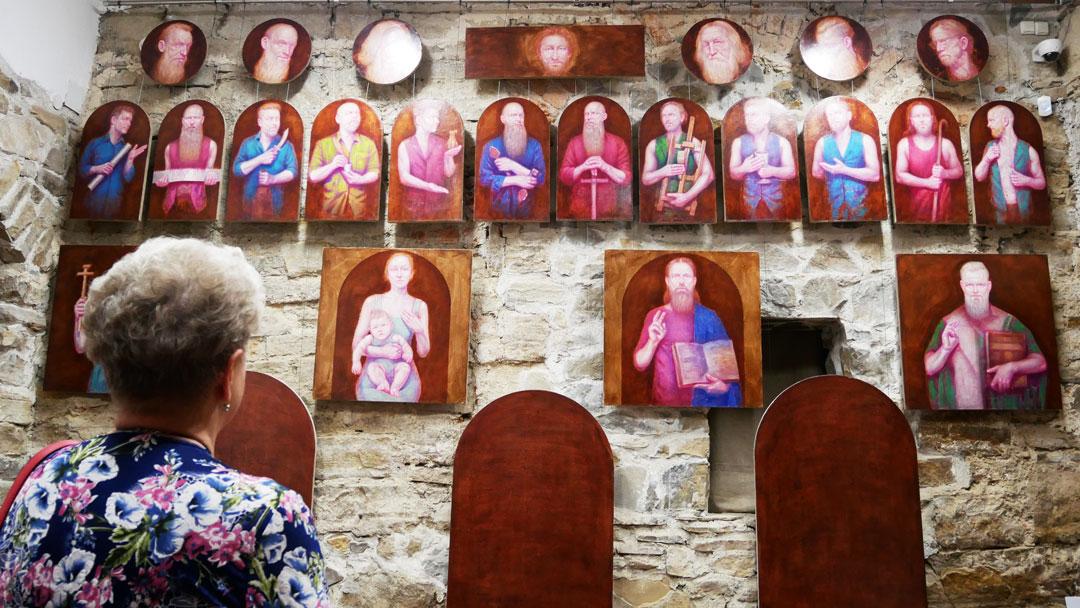
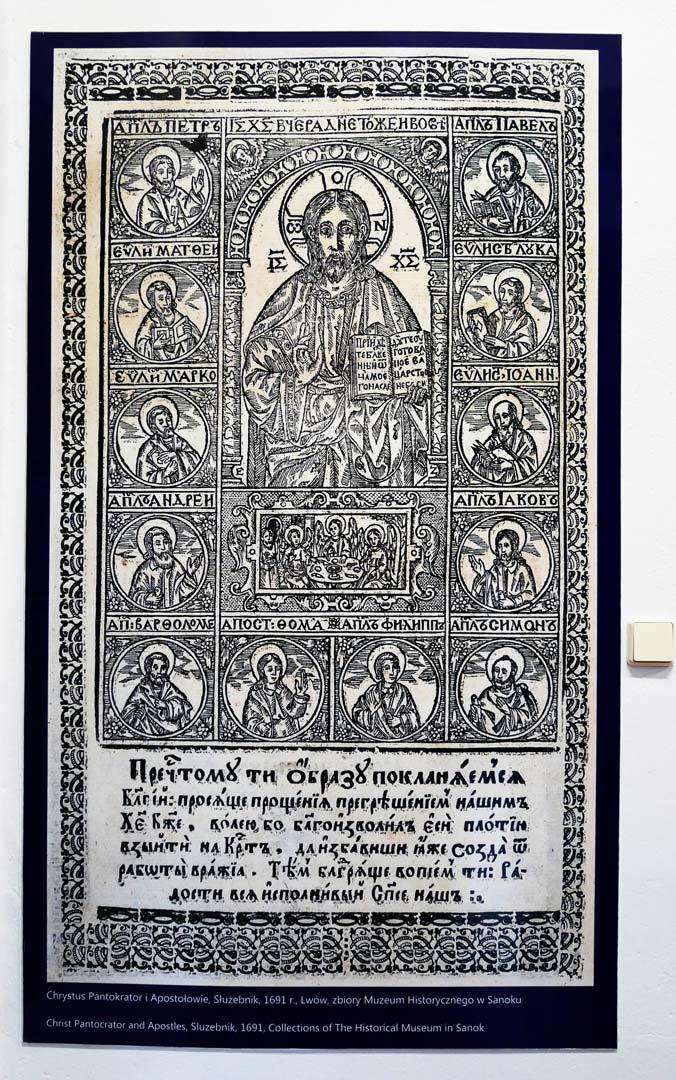
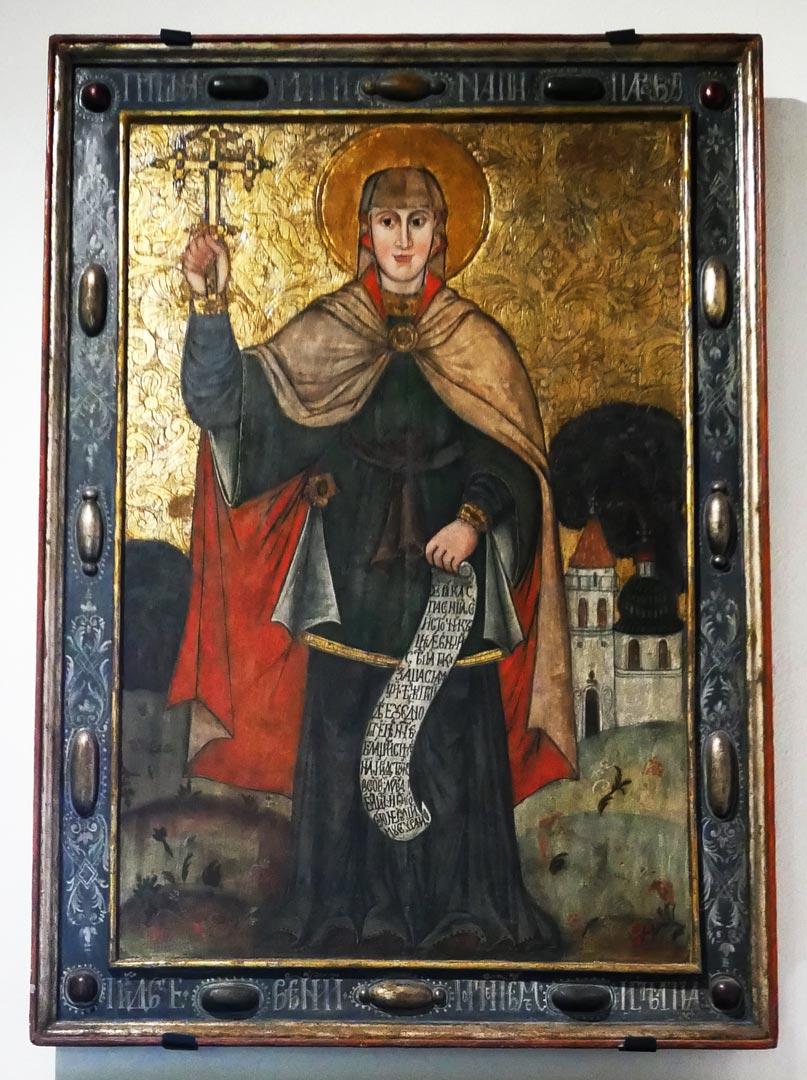
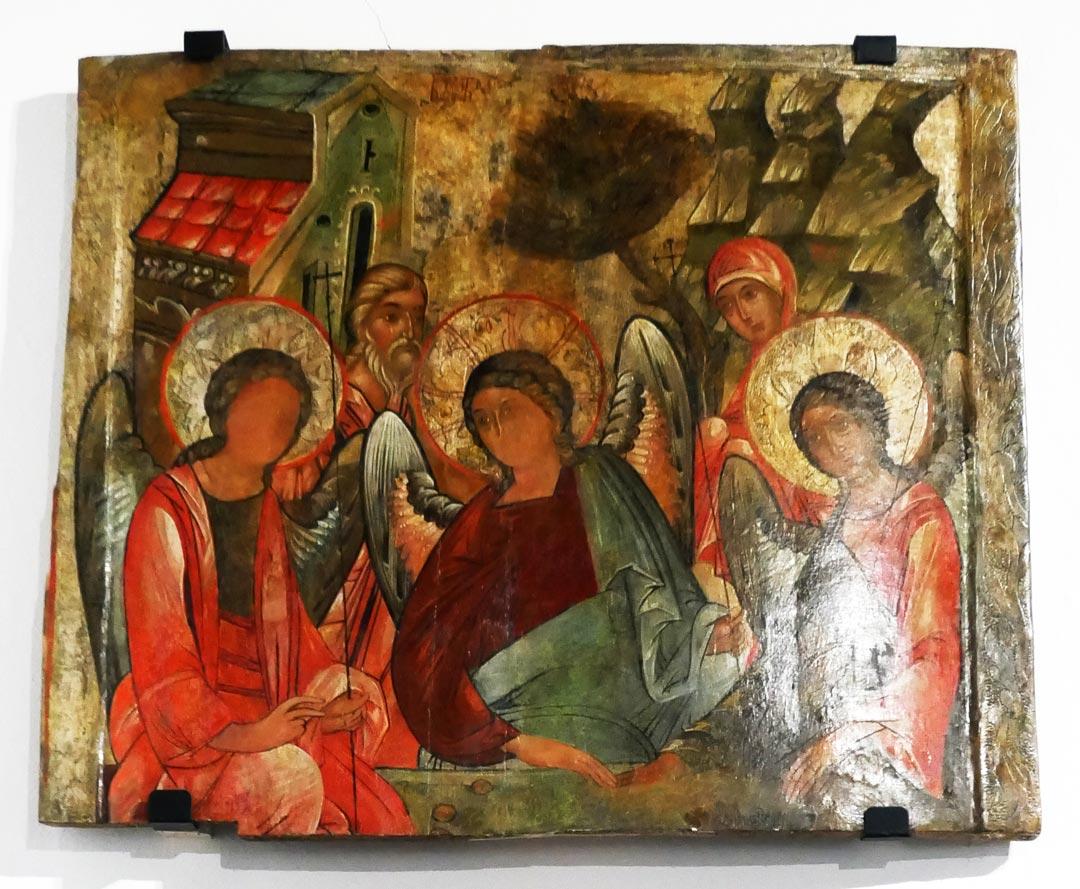
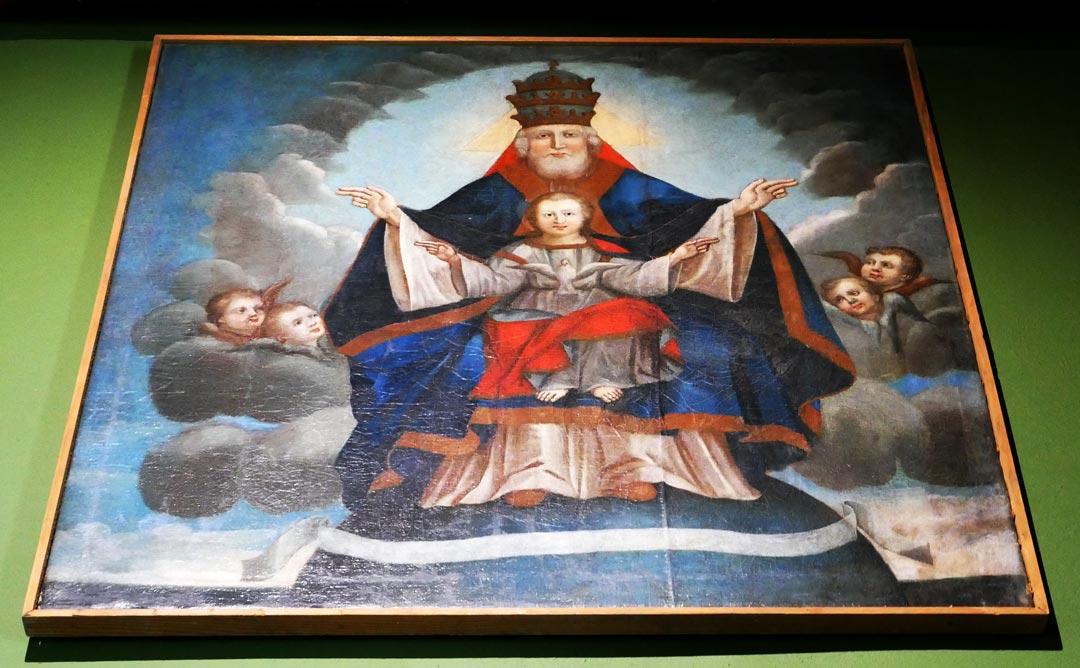
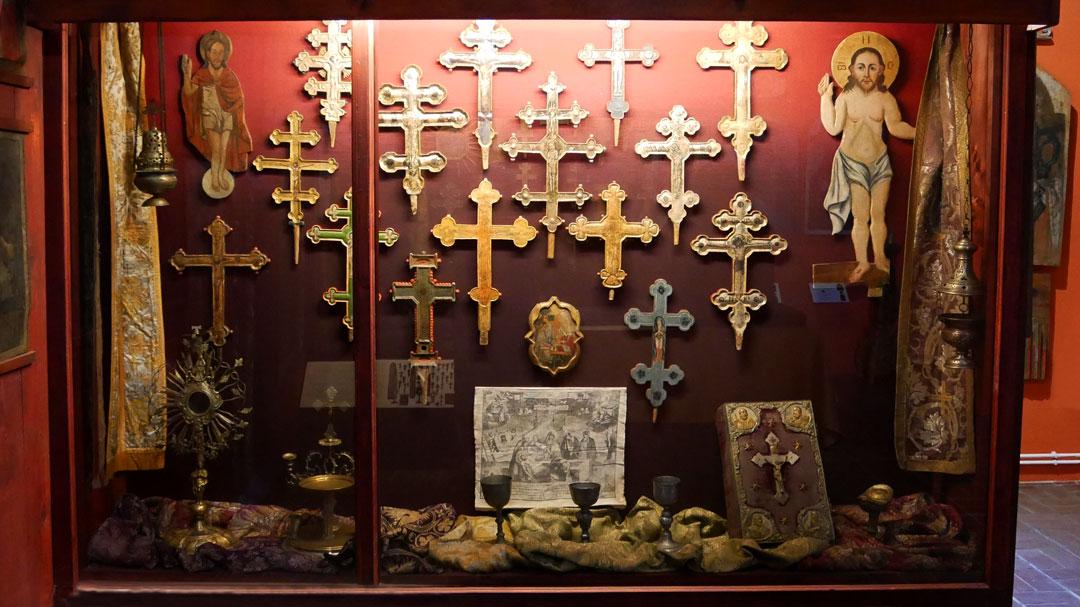
I approached the man assigned to this exhibition and we started talking. Why such a number of these icons, in such a large format, in several hundred years old, etc.? And he was terribly pleased that I was interested, and also proud of this exhibition, explained it was after Operation Vistula, after the war, after Catholicism was forced to take over the properties and temples of Orthodoxy and Greek Catholicism. After World War II and Poland’s new borders, Stalin decided to exchange the population in a multi-dimensional interpretation, so to speak. On April 28, 1947, Operation Group “Vistula” began the brutal deportation of Ukrainians from the area of southeastern Poland and Poles from Volhynia and eastern Galicia. Within three months, more than 140,000 Ukrainians were forcibly relocated to the Western and Northern Territories. The idea for the action originated at the General Staff of the Polish Communist Army.
The Communists decided that all those who had any Ukrainian roots must be forcibly deported, including Lemkos and mixed families, with the classification for deportation determined not by nationality, but by the ethnicity of the relatives. On this occasion, it was also decided to get rid of Polish families that were “reactionary” for the Communists. The resettlement of Poles was an undisclosed part of this operation, which was accompanied by a huge propaganda machine telling the population that the consequences were “benevolent.” The dimension of the “Vistula” operation is ambiguous in terms of Polish-Ukrainian antagonism because its greatest resistance came from the anti-Polish UPA, the Ukrainian Insurgent Army, which murdered Poles in Volhynia (Wołyń) and Eastern Galicia with enormous cruelty. On the other hand, in the displaced lands, it aroused the greatest sympathy, because, as it was widely assumed, thanks to this action the UPA was going to be finally got rid of. And to force the Ukrainian population to assimilate into Polish culture and nationality.
The non-recognition of the existence of the Greek Catholic Church in the People’s Republic of Poland seems interesting. In the Soviet Union, this church was outlawed, so along the lines, many of its priests were repressed. Besides, the vassalized Poland drew many of the patterns of the “Vistula” action, of course, from Stalin’s deportations to Siberia or Kazakhstan. Anyway, in general, the transplantation of the Soviet regime’s state of mind was carried out on many levels of extermination of human distinctiveness: cultural, linguistic, moral or religious. Everything to force Soviet subordination / atheistic, party slavery.
One views these icons differently in isolation from historical facts. The artistic or aesthetic value alone appeals differently to a person than the simultaneously doped actual emotional load of marked, certain suffering, venom and hatred, which feelings and emotions, in my opinion, artificially induced to fuel and nurture ethno-national antagonism, so that, making it easier for the communist government to rule subordinate countries, and by the way “ate” human, tolerant impulses. Satanic dialectics with no way out, forcing resignation and transplanting resentment and loathing of faith and the Church. Irrespective of which one? What was supposed to be more repulsive? Hell with an image of Heaven, under the pretext of Purgatory. The Communist regime’s Gordian knot binding and degrading humanity.
APOCALYPSE BEKSIŃSKI
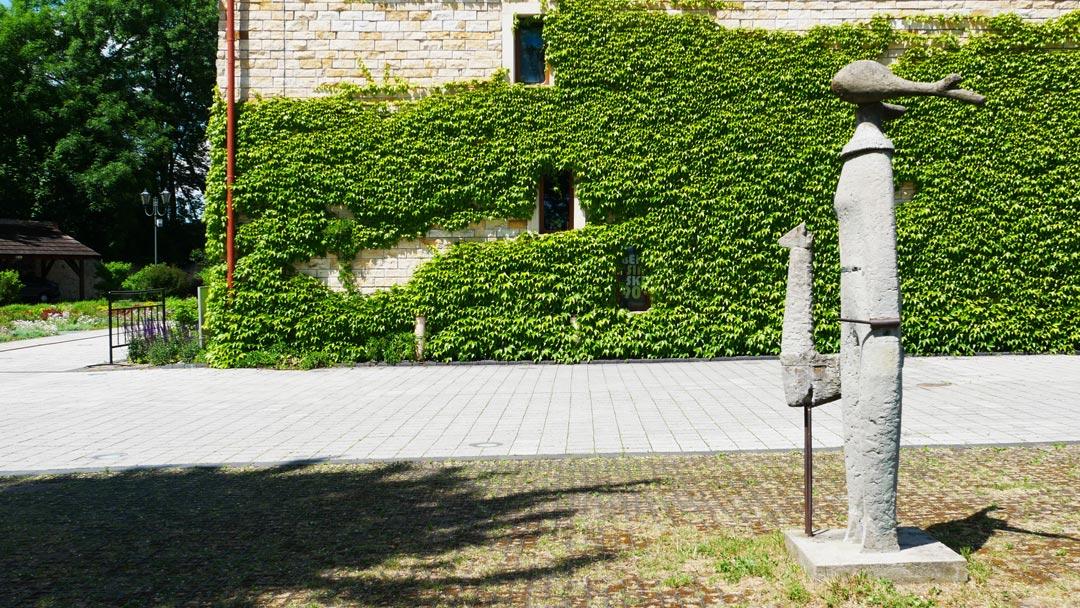
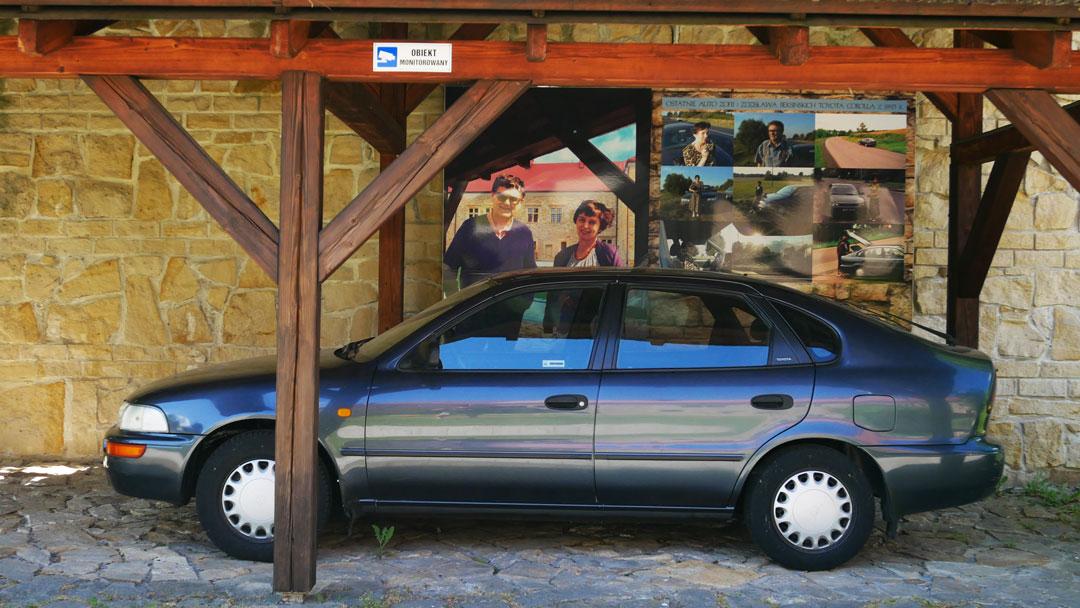
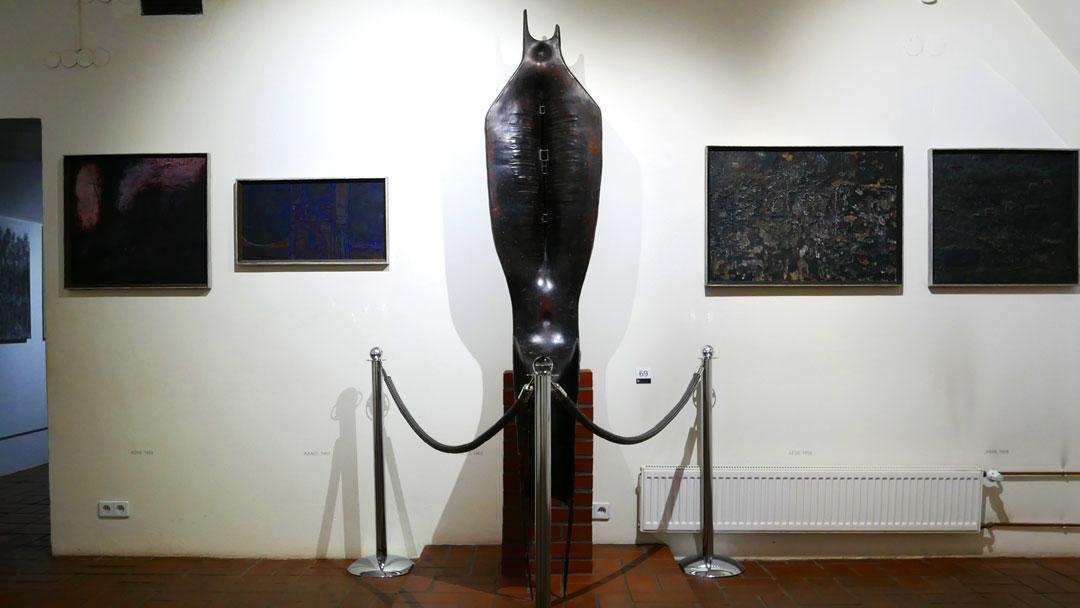
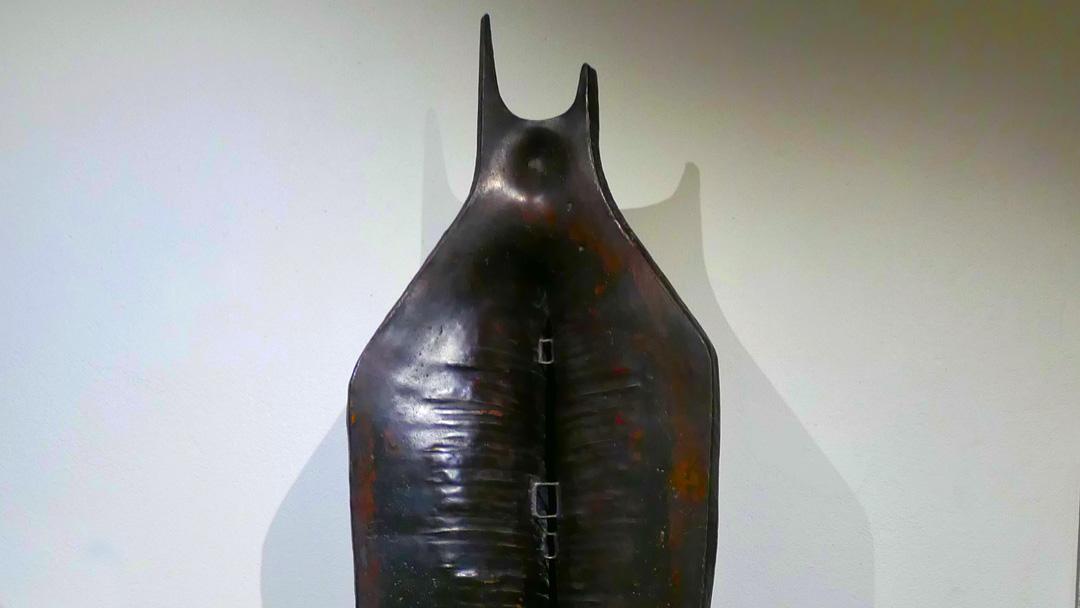
The term Apocalypse is most often used to describe, like dressing wounds, visions of darkness and dystopia. Someone might say that for lack of a better term or for lack of lac sealing the mouth of horror and plagues. Zdzislaw Beksinski, a Polish painter, photographer and sculptor working in his hometown of Sanok, was undoubtedly one of the most original, recognized and globally recognized artists of modern, post-war Poland, and perhaps of the 20th century. Just inside the entrance to his exhibition stands a sculpture entitled ‘Hamlet’ on the left.